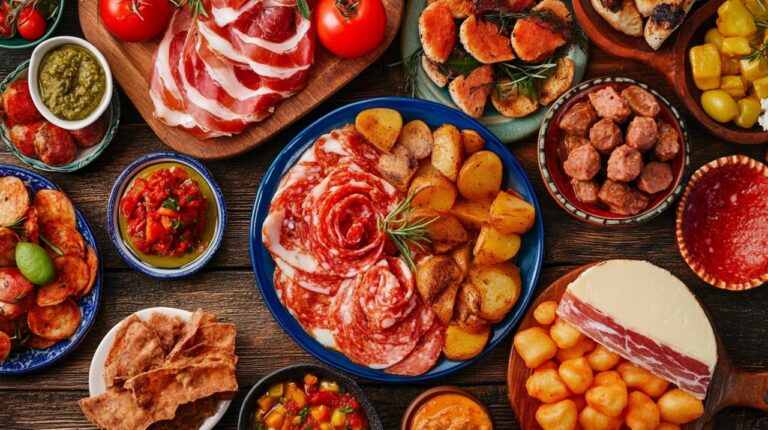
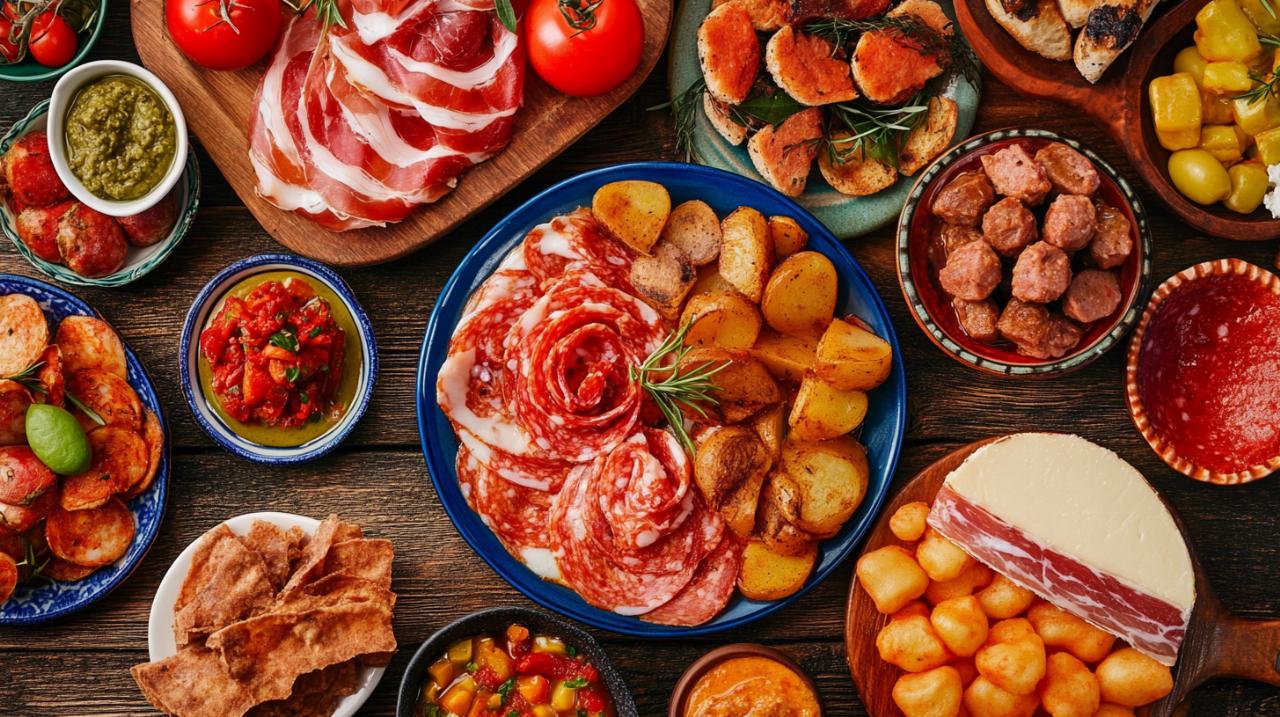
Spain's culinary landscape offers a vibrant array of flavours, and among the most celebrated are traditional Spanish tapas recipes that bring authenticity and conviviality to any table. In particular, the Basque Country in Northeast Spain has gifted the world with pintxos, those delightful bite-sized morsels that elevate the concept of finger food to an art form. These small plates, often secured with a cocktail stick, represent more than mere bar snacks; they embody a cultural tradition deeply rooted in the Basque way of life. Whether you find yourself exploring the lively streets of Barcelona or sampling the offerings at a local restaurant, pintxos provide an unforgettable journey through Spanish cuisine. This exploration invites you to discover the essential ingredients, techniques, and classic recipes that make Basque pintxos a cornerstone of authentic Spanish dining.
Essential Ingredients and Techniques for Crafting Authentic Basque Pintxos
Creating genuine Basque pintxos begins with sourcing the right ingredients and mastering the subtle techniques that define this culinary tradition. The Basque Country boasts a rich larder of distinctive products, and understanding how to use them is key to capturing the true spirit of these small yet flavourful dishes. Among the most cherished ingredients are piquillo peppers, those sweet and mildly spicy roasted gems that add a burst of colour and taste to countless pintxos. Idiazábal cheese, a smoky sheep's milk variety, provides a robust flavour that pairs beautifully with bread and other toppings. Salt cod, known locally as bacalao, remains a staple in many traditional recipes, offering a savoury depth that has defined Basque cuisine for generations.
Traditional basque ingredients: from piquillo peppers to idiazábal cheese
The authenticity of pintxos rests heavily on the quality and variety of ingredients used. Piquillo peppers, often stuffed or layered atop bread, bring a gentle heat and a sweetness that balances richer components such as anchovies or cream cheese. Idiazábal cheese, with its distinctive smoky aroma, serves as a versatile element that can be sliced thinly for montaditos or crumbled over warm preparations. Manchego cheese, another Spanish favourite, appears frequently in pintxos, offering a firm texture and nutty taste that complements chorizo and other cured meats. Ibérico ham, prized for its delicate marbling and intense flavour, elevates even the simplest skewer into a luxurious treat. Other essential items include anchovies, which deliver a briny punch, olives that add a fruity note, and goat cheese paired with caramelised onion for a sweet and tangy contrast. traditional spanish tapas recipes often call for these ingredients in combination, creating layers of taste that reflect the diverse terroir of the Basque region. Pickled peppers, known as guindillas, contribute a sharp acidity that cuts through rich flavours, while cream cheese provides a smooth, velvety base for toppings such as smoked salmon. The use of fresh bread, typically sliced baguette or crusty loaves, forms the foundation for bread-topped pintxos, ensuring each bite is both satisfying and textured.
Mastering the Art of Pintxo Assembly and Presentation
Beyond selecting premium ingredients, the assembly and presentation of pintxos require a careful balance of technique and creativity. Each pintxo is intended as an individual portion, designed to be consumed in a single or two bites, making precision in preparation essential. Bread-topped varieties, or montaditos, demand that the base is sturdy enough to support the toppings without becoming soggy. Lightly toasting the bread ensures a crisp texture that holds up well under moist ingredients like tuna vinaigrette or garlic mushrooms. Skewered pintxos, or banderillas, rely on the strategic layering of components to achieve both visual appeal and flavour harmony. A classic example is the Gilda, which combines an anchovy, an olive, and a guindilla pepper on a cocktail stick, creating a simple yet iconic bite that captures the essence of Basque cuisine. The key to successful pintxo assembly lies in balancing textures and tastes, ensuring that each element contributes to the overall experience. Caramelised onion, for instance, adds sweetness and a soft, jammy consistency that contrasts beautifully with the crunch of toasted bread or the firm bite of cheese. When preparing pintxos at home, it is helpful to arrange all ingredients beforehand, allowing for efficient assembly and a professional finish. Presentation matters greatly, as pintxos are as much a feast for the eyes as they are for the palate. Arranging the small plates on a platter with a variety of colours and shapes invites guests to explore different flavours and textures, embodying the communal spirit of Spanish dining. Traditional Spanish tapas recipes encourage experimentation, yet they also respect the time-honoured methods that have been passed down through generations of Basque cooks.
Classic Basque Pintxos Recipes to Recreate at Home
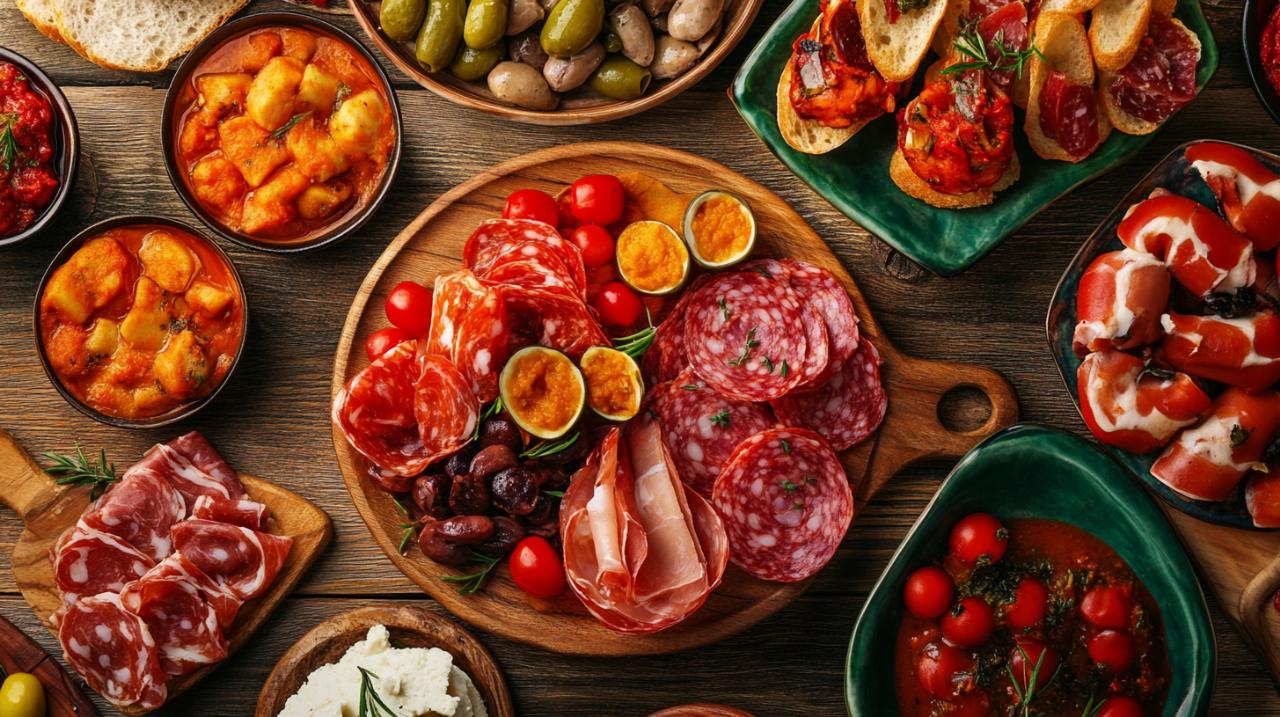
Bringing the authentic taste of the Basque Country into your own kitchen is both rewarding and surprisingly straightforward, provided you follow a few classic recipes that highlight the region's culinary heritage. These dishes, whether served as a pre-dinner snack or the centrepiece of a casual gathering, offer a window into the vibrant food culture of Spain. The following recipes demonstrate the versatility of pintxos, showcasing both cold and hot preparations that rely on fresh, high-quality ingredients and simple yet effective techniques.
Gilda: the iconic anchovy, olive and guindilla pepper skewer
The Gilda stands as one of the most recognisable pintxos, celebrated for its bold flavours and elegant simplicity. This cold skewer combines an anchovy, a green olive, and a guindilla pepper, all threaded onto a cocktail stick. The origins of the Gilda are steeped in Basque tradition, and its name is said to reference a classic film character, reflecting the playful and sociable nature of pintxo culture. To prepare a Gilda, select high-quality anchovy fillets packed in olive oil, as their firm texture and rich taste form the backbone of the dish. Green olives, preferably pitted for ease of consumption, provide a fruity and slightly bitter counterpoint, while the pickled guindilla pepper introduces a tangy heat that ties the components together. The assembly is straightforward: thread one anchovy fillet, one olive, and one pepper onto a cocktail stick, ensuring each element is secure. The result is a bite that delivers a burst of briny, sweet, and spicy notes in quick succession, making it an ideal accompaniment to a glass of Txakoli, the crisp Basque white wine that enhances the flavours of the pintxo. The Gilda exemplifies how traditional Spanish tapas recipes can be both uncomplicated and deeply satisfying, relying on the quality of ingredients rather than elaborate preparation.
Bacalao al Pil-Pil and Txangurro: Seafood Pintxos from San Sebastián
For those seeking a more elaborate pintxo experience, bacalao pil pil and txangurro offer a taste of the Basque Country's renowned seafood cuisine. Bacalao pil pil, or salt cod in garlic and olive oil emulsion, is a dish that requires patience and technique but rewards the cook with a silky, aromatic sauce that clings to tender flakes of fish. To prepare this pintxo, start by desalting the cod, a process that involves soaking the fish in cold water for at least a day, changing the water several times to remove excess salt. Once desalted, the cod is gently poached in olive oil infused with garlic and a touch of chilli, creating a rich emulsion through the slow agitation of the pan. The result is a luscious sauce that coats the cod, offering a luxurious mouthfeel and a depth of flavour that is both subtle and complex. When serving bacalao pil pil as a pintxo, place a small piece of the fish on a slice of toasted bread, spooning a generous amount of the emulsified sauce over the top. This presentation captures the essence of the dish while maintaining the bite-sized format that defines pintxos. Txangurro, another seafood favourite from San Sebastián, features crab meat combined with a sofrito of onion, tomato, and brandy, all baked in a crab shell until golden and bubbling. For a pintxo version, spoon a small portion of the txangurro mixture onto a crisp bread base, garnishing with a sprinkle of breadcrumbs for added texture. Both bacalao pil pil and txangurro highlight the Basque mastery of seafood, demonstrating how traditional Spanish tapas recipes can transform simple ingredients into memorable culinary experiences. These dishes pair beautifully with beer or white wine, inviting diners to savour the interplay of flavours that characterise Basque cuisine. The preparation time for these pintxos may extend beyond the typical assembly process, with caramelised onions alone requiring around twenty-five minutes to achieve their sweet, jammy consistency, yet the investment of time yields a result that is both authentic and deeply rewarding. Whether you opt for the simplicity of a Gilda or the complexity of bacalao pil pil, each pintxo offers a unique glimpse into the rich tapestry of Spanish culinary tradition, encouraging home cooks to explore and celebrate the vibrant flavours of the Basque Country.