Decorative beams can truly jazz up your ceilings, transforming them from mere overhead surfaces into captivating focal points that add character and charm to any room. Whether you reside in a historic property, a converted barn, or a contemporary home, these architectural features serve as brilliant design elements to elevate the overall look of your space. Think of them as a way to make your ceiling look a bit posh and interesting, creating a sense of warmth and visual appeal that draws the eye upward and enhances the entire atmosphere of your interior.
Choosing the Right Decorative Beams for Your Space
Selecting the appropriate decorative beams for your home involves careful consideration of both style and material. The choice between traditional timber beams and modern alternatives can significantly influence the aesthetic and practical outcomes of your ceiling design. Understanding the differences between these options will help you make an informed decision that aligns with your vision and budget.
Traditional timber beams vs. modern alternatives
Traditional timber beams, particularly those crafted from oak or reclaimed timber, have long been cherished in period properties and farmhouse conversions across Europe and London properties alike. These authentic wooden beams bring rustic charm and a sense of history to any space, with their natural grain and patina telling stories of traditional craftsmanship. Exposed beams in converted barns or 19th-century properties offer a connection to the past, adding warmth and texture that is difficult to replicate with synthetic materials. Homes in the Cotswolds, Amsterdam, and Notting Hill have showcased how antique oak beams and salvaged timber can create stunning visual impact, especially when paired with vaulted ceilings or original timber joists that highlight the architectural heritage of the structure.
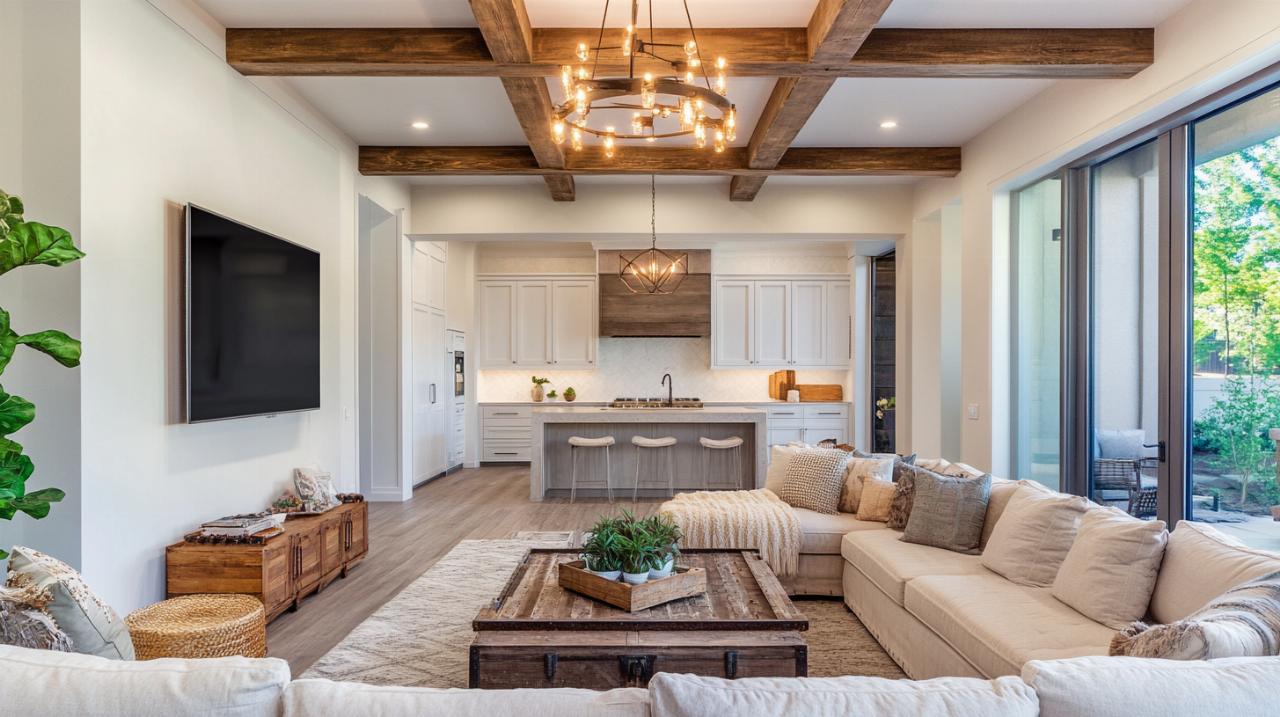
However, faux wood beams have emerged as a cost-effective and practical alternative to natural wood, offering numerous advantages for modern interiors and home renovation projects. These lightweight alternatives are far easier to install than their solid wood counterparts, reducing both labour costs and installation time. Faux beams are also less susceptible to warping, cracking, fading, and insect damage, making them an excellent choice for areas with fluctuating humidity levels or where maintenance is a concern. The molduras orense blog and similar design resources have highlighted how these modern alternatives can be used to create different styles, from rustic to contemporary, without sacrificing visual appeal. Faux wood beams can be installed in kitchens, stairways, bathrooms, and ceilings, offering versatility that real timber sometimes cannot match. They can frame doorways, cover curtain rods, or slot skylights, adding architectural interest to spaces that might otherwise feel plain or uninspiring.
Selecting the Perfect Colour and Finish
The colour and finish of your decorative beams play a crucial role in achieving the desired atmosphere in your room. Lighter finishes can make a space feel more open and airy, which is particularly beneficial in compact rooms or properties with lower ceilings. Contemporary homes often favour painted beams in white or soft neutrals, creating a clean, modern aesthetic that complements minimalist interior design. This approach has been embraced in pared-back country homes and art-filled apartments in Paris and Lyon, where 15th-century apartments have been updated with contemporary colours that allow the structural beauty of exposed beams to shine without overwhelming the space.
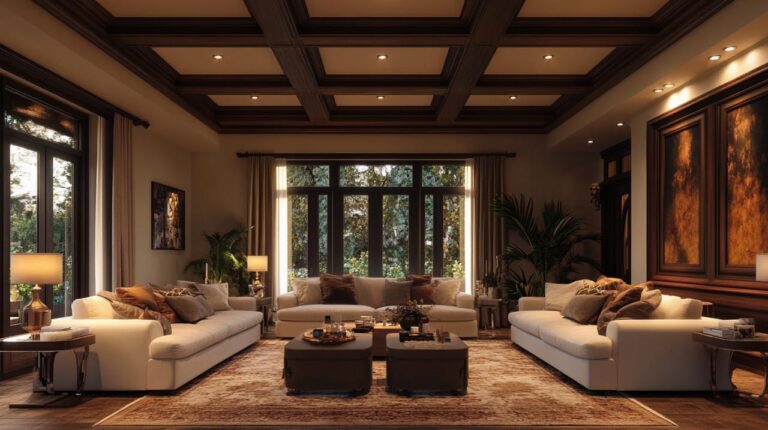
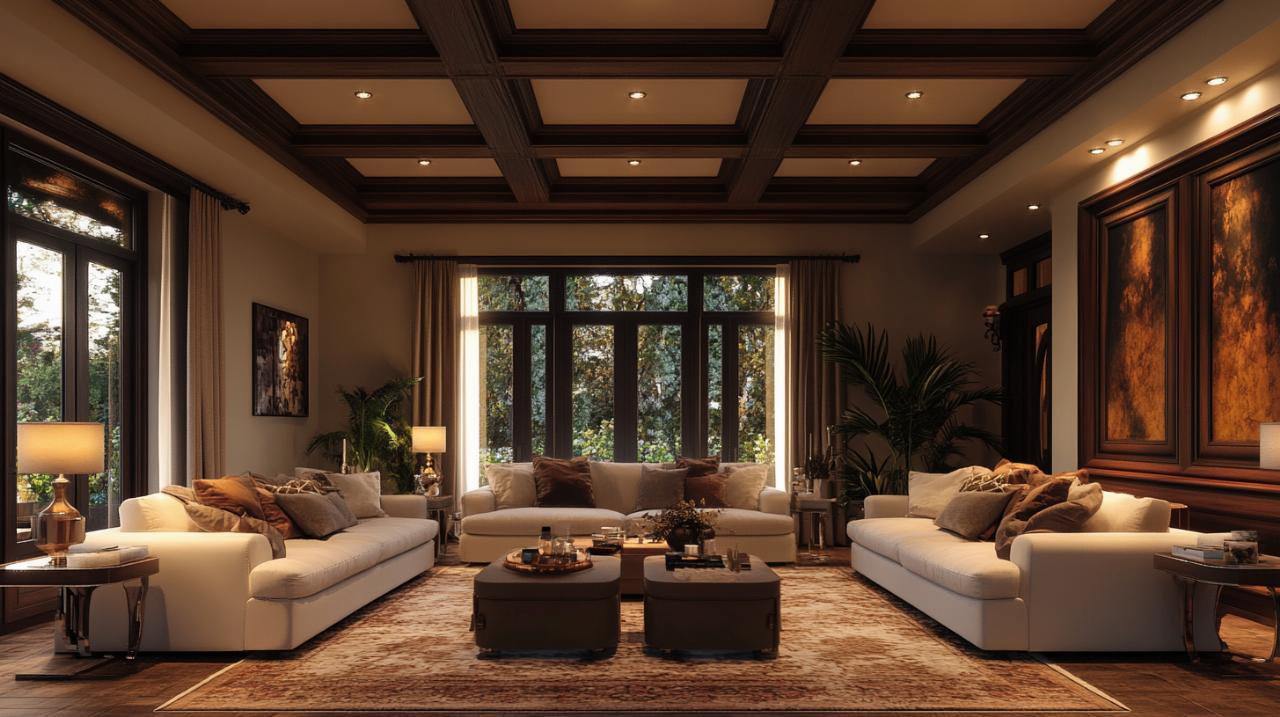
Conversely, darker stains and natural wood finishes bring depth and richness to a room, making them ideal for creating a cosy, intimate atmosphere. Historic properties and converted barns in Ibiza, Bologna, and the Berkshire countryside have demonstrated how original beams left in their natural state or finished with dark stains can anchor a space and provide a striking contrast to lighter walls and furnishings. When selecting your finish, consider the existing colour palette of your room, the amount of natural light available, and the overall mood you wish to create. It is also worth noting that certain finishes may require more maintenance over time, particularly in areas exposed to moisture or direct sunlight, so factor in the practical aspects of home maintenance when making your choice.
Installing decorative beams to transform your ceiling
Once you have chosen your decorative beams, the installation process becomes the next critical step in transforming your ceiling. Proper planning and execution will ensure that your beams not only look stunning but also remain secure and durable for years to come. Whether you opt for professional installation or decide to take on a DIY project, understanding the key considerations will help you achieve the best possible results.
Planning your beam layout and positioning
Before any physical work begins, careful planning of your beam layout and positioning is essential. The arrangement of your beams can dramatically affect the perceived size and shape of a room. Beams running parallel to the longest wall can make a narrow room feel wider, while those positioned perpendicular can create a sense of depth and division. In rooms with vaulted ceilings or exposed rafters, the placement of additional decorative beams should complement the existing architectural features rather than compete with them. Former tanneries in Lectoure and 19th-century builder's yards in the United Kingdom have successfully integrated original beams with new additions, creating harmonious ceiling designs that respect the building's history while adding contemporary flair.
When planning your layout, consider the spacing between beams, as this will influence both the visual impact and the practicality of the installation. Too many beams can make a ceiling feel cluttered and overwhelming, while too few may fail to achieve the desired effect. It is often helpful to create a scaled drawing or use digital design tools to visualize different configurations before committing to a final plan. Additionally, take into account any ceiling fixtures, such as lighting or ventilation systems, which may need to be repositioned or integrated into the beam design. This is particularly important in modern interiors where recessed lighting or air conditioning units are common, as these elements must work harmoniously with your decorative beams rather than detracting from their beauty.
Professional installation tips and diy considerations
Professional installation of decorative beams ensures precision, safety, and a high-quality finish, particularly when working with genuine timber or complex ceiling structures. Experienced installers understand the structural requirements of attaching beams to various ceiling types, from plaster and drywall to exposed brick or concrete. They can also advise on the best installation techniques for your specific situation, whether that involves surface mounting, recessed fitting, or integrating beams with existing joists. For period properties or homes with unique architectural features, professional expertise can be invaluable in preserving the integrity of the building while achieving the desired aesthetic outcome.
For those considering a DIY approach, faux wood beams offer a more accessible option due to their lightweight nature and simpler installation process. These beams typically come with mounting systems that allow for straightforward attachment to ceiling joists or blocking, reducing the need for specialized tools or skills. However, even with faux beams, careful measurement and leveling are crucial to ensure a professional-looking result. It is also important to assess the condition of your ceiling before beginning installation, as any issues with structural integrity or moisture should be addressed beforehand. Resources such as the passive house concept and guides on ventilation systems can provide valuable insights into maintaining a healthy home environment while undertaking renovation projects. Regardless of whether you choose professional or DIY installation, taking the time to plan thoroughly and execute carefully will result in a ceiling design that adds lasting value and beauty to your home, creating a stylish focal point that enhances your interior styling and elevates the overall ambiance of your living space.