Keeping surveillance equipment concealed whilst maintaining optimal performance requires a blend of ingenuity, technical knowledge, and an understanding of the environment. Whether you're safeguarding a residential property, monitoring wildlife, or protecting commercial assets, the art of camouflage can make all the difference in ensuring that your cameras remain undetected whilst still capturing every critical moment. The techniques outlined here provide practical guidance for anyone looking to enhance their outdoor security without drawing unwanted attention.
Matching Your Surveillance Equipment to the Natural Environment
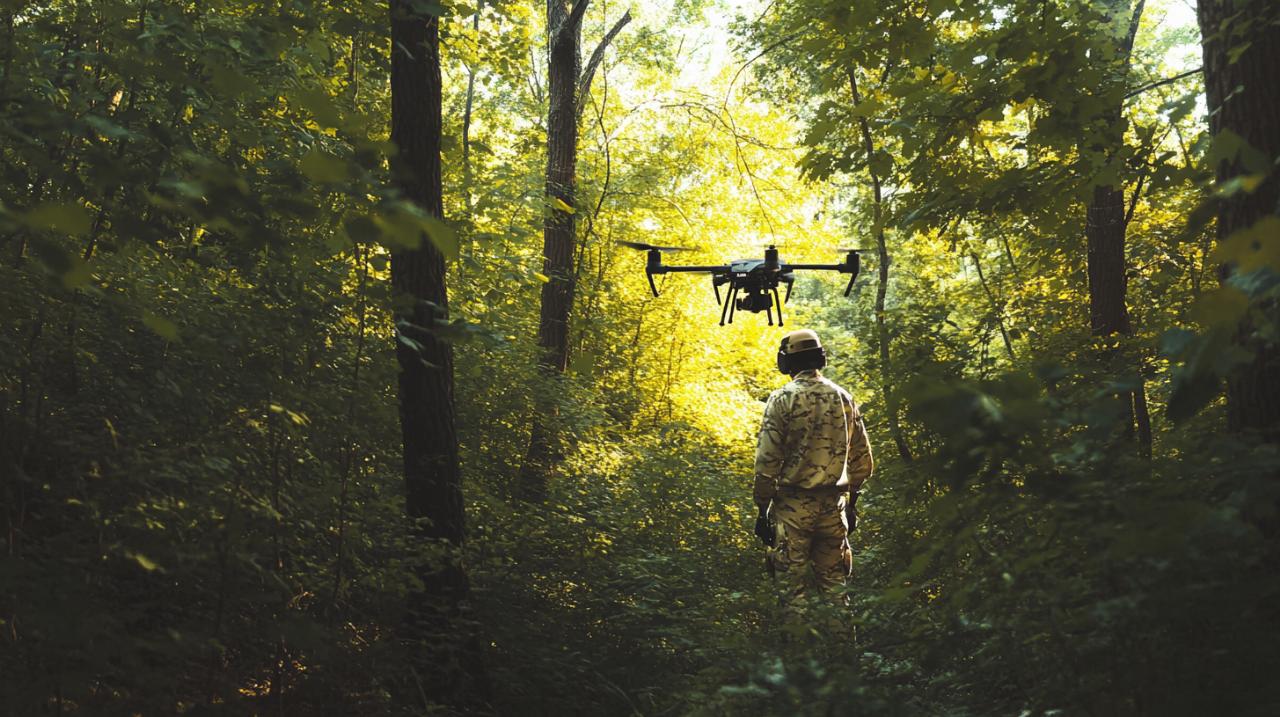
One of the most effective methods to ensure your outdoor security cameras remain unnoticed is to select camouflage patterns that closely resemble the local terrain. The goal is to create a visual harmony between the equipment and its surroundings, making it virtually impossible for an untrained eye to distinguish the device from the natural backdrop. Professionals recommend carefully studying the immediate environment where the camera will be placed, taking note of dominant colours, textures, and patterns before making a selection.
Selecting camouflage patterns that blend with local terrain
In woodland settings, earthy tones such as browns, greens, and muted greys work exceptionally well. Urban environments, on the other hand, may require patterns that mimic concrete, brick, or weathered wood. For properties with extensive gardens or hedgerows, a leafy or foliage-based design can be particularly effective. Many suppliers now offer camera housings and covers specifically designed with these environments in mind, ensuring that the equipment integrates seamlessly without compromising functionality. It's worth noting that resources such as the global marinas website provide insights into outdoor installations that can inspire creative concealment strategies, particularly in coastal or waterside settings where reflections and natural features demand a different approach.
Seasonal adaptations for year-round concealment
The British climate presents a unique challenge, as the landscape undergoes dramatic transformations throughout the year. A camouflage pattern that works brilliantly during the lush summer months may stand out starkly against the bare branches of winter. To maintain effective concealment year-round, consider implementing seasonal adjustments to your surveillance setup. Some professionals recommend maintaining a selection of interchangeable covers or housings that can be swapped as the seasons change. For instance, vibrant greens and floral patterns might suit spring and summer, whilst more muted browns and greys are better suited to autumn and winter. This proactive approach ensures that your cameras remain inconspicuous regardless of the time of year, providing consistent security without drawing attention.
Concealing cameras within natural objects and features
Integrating surveillance equipment into the existing landscape requires a thoughtful approach that respects both the environment and the technical requirements of the device. The key is to use natural objects and features in a way that enhances concealment without obstructing the camera's field of view or compromising its performance.
Integrating Equipment into Rocks, Trees, and Vegetation
One of the most popular techniques involves placing cameras within or behind natural elements such as rocks, tree trunks, or dense vegetation. Purpose-built housings designed to resemble rocks or tree bark are widely available and can be remarkably convincing when positioned correctly. These enclosures not only provide camouflage but also offer a degree of protection against the elements, which is essential for maintaining operational integrity. When mounting a camera near vegetation, ensure that any branches or leaves do not sway into the camera's line of sight during windy conditions, as this can trigger false motion alerts and obscure critical footage. Strategic trimming and positioning can help to strike the right balance between concealment and clarity.
Clever disguises using everyday outdoor elements
Beyond natural objects, everyday outdoor elements can serve as excellent hiding spots for surveillance equipment. Bird feeders, garden ornaments, outdoor light fixtures, and even planter boxes can be adapted to house cameras discreetly. The advantage of these disguises is that they blend into the environment as functional or decorative items, reducing the likelihood of detection. When selecting such objects, ensure they are proportionate to the camera's size and that the housing allows for adequate ventilation to prevent overheating. Additionally, consider the object's typical placement within the garden or property to avoid raising suspicion. A bird feeder positioned in an unusual spot, for instance, may attract more scrutiny than one placed naturally within a shrub or near a feeding station.
Minimising visible indicators of surveillance presence
Even the most expertly camouflaged camera can be compromised by visible wires, cables, or glowing LED indicators. Reducing these telltale signs is crucial for maintaining the element of surprise and ensuring that the surveillance system operates without interference.
Reducing wire visibility and managing cable runs
Cables running along walls, fences, or across open ground are among the most obvious indicators of a surveillance system. To address this, professionals often route cables through walls, beneath soil, or behind architectural features such as gutters and downpipes. Using cable covers that match the colour and texture of the surrounding surfaces can also help to minimise visibility. For properties where running cables is impractical or aesthetically undesirable, wireless solutions powered by batteries or solar panels offer an excellent alternative. These systems eliminate the need for visible cabling altogether, though they do require regular maintenance to ensure that power sources remain reliable.
Controlling light emissions and led indicators
Many outdoor cameras feature LED indicators that signal recording activity, network connectivity, or motion detection. Whilst these lights serve a functional purpose, they can also betray the camera's location, particularly at night. To counteract this, look for models that allow you to disable or dim indicator lights through the settings menu. Some advanced cameras offer infrared night vision capabilities that operate without visible red glow, making them far less conspicuous in low-light conditions. If your camera does emit light, consider positioning it in a location where the glow will be obscured by natural features or architectural elements, ensuring that it does not draw the eye of a potential intruder.
Choosing weather-resistant and discreet camera housings
The British climate is notoriously unpredictable, with frequent rain, wind, and temperature fluctuations that can take a toll on outdoor equipment. Selecting the right housing is essential not only for protection but also for maintaining a discreet profile.
Selecting enclosures that withstand british weather conditions
Look for camera housings with an IP65 rating or higher, which indicates robust protection against dust and water ingress. This level of weatherproofing ensures that the camera remains operational even during heavy downpours or prolonged exposure to moisture. Temperature tolerance is another critical factor, particularly during the colder months when frost and ice can impair electronic components. Cameras designed to operate in a range from minus four degrees Fahrenheit to one hundred and twenty-two degrees Fahrenheit are well-suited to the British climate. Additionally, ensure that the housing material is resistant to UV degradation, as prolonged exposure to sunlight can cause plastics to become brittle and discoloured over time.
Balancing durability with subtlety in design
Whilst durability is paramount, it should not come at the expense of discretion. Bulky or conspicuous housings can undermine even the most carefully planned camouflage efforts. Modern designs increasingly prioritise compact, streamlined profiles that blend seamlessly into their surroundings. Some manufacturers offer housings with textured finishes that mimic natural materials such as stone or wood, providing both protection and aesthetic appeal. When selecting a housing, consider its size in relation to the camera and the environment where it will be placed. A smaller, well-disguised unit is often more effective than a larger, more robust enclosure that draws attention.
Strategic placement and angle considerations
The success of any surveillance system hinges not only on the quality of the equipment but also on the thoughtfulness of its placement. Strategic positioning can enhance both concealment and coverage, ensuring that the camera remains undetected whilst capturing comprehensive footage.
Identifying optimal positioning to avoid detection
Height and angle are two of the most important factors in camera placement. Mounting a camera too low increases the risk of tampering and makes it more visible to passersby. Conversely, positioning it too high can result in a loss of detail in the recorded footage. A height of eight to ten feet is generally considered optimal, as it places the camera out of easy reach whilst still providing a clear view of the target area. Angling the camera downwards by fifteen to thirty degrees helps to capture facial features and other identifying details, which is particularly valuable for evidence collection. When selecting a mounting location, consider natural features such as tree branches, eaves, or architectural details that can provide additional concealment without obstructing the camera's view.
Leveraging natural sight lines and shadow patterns
Natural sight lines and shadow patterns can be powerful allies in the quest for effective camouflage. By positioning cameras in areas where shadows are cast by trees, buildings, or other structures, you can reduce the likelihood of detection whilst maintaining a clear line of sight. Avoid placing cameras in direct sunlight, as this can cause glare and reduce image quality. Similarly, be mindful of artificial lighting sources such as streetlamps or security lights, which can create unwanted reflections or illuminations that draw attention to the camera. Observing the property at different times of day and under varying weather conditions can help you identify the best locations for concealment.
Regular maintenance and camouflage assessment
Even the most meticulously planned camouflage can become less effective over time due to environmental changes, wear and tear, or the growth of vegetation. Regular maintenance and reassessment are essential to ensure that your surveillance system continues to operate discreetly and effectively.
Routine inspections to ensure continued effectiveness
Establishing a routine maintenance schedule is crucial for identifying and addressing potential issues before they compromise the system. This includes cleaning camera lenses to remove dirt, dust, and debris that can obscure the image, as well as checking for signs of damage to the housing or mounting hardware. Inspect the camouflage materials themselves to ensure they have not faded, torn, or become dislodged. Vegetation used for concealment should be trimmed regularly to prevent it from growing into the camera's field of view or blocking sensors. Additionally, verify that cables and wiring remain securely fastened and concealed, and replace any covers or conduits that have deteriorated.
Adjusting concealment for changing environmental conditions
Environmental conditions can shift dramatically over the course of a year, necessitating adjustments to your camouflage strategy. As mentioned earlier, seasonal changes in foliage, light levels, and weather patterns can all impact the effectiveness of your concealment efforts. Beyond seasonal adjustments, be alert to other environmental changes such as new construction, landscaping projects, or the removal of trees and shrubs that may have previously provided cover. These alterations can expose previously hidden cameras or create new opportunities for concealment. Regularly reviewing and updating your camouflage approach ensures that your surveillance system remains both effective and undetectable, providing peace of mind and reliable security throughout the year.