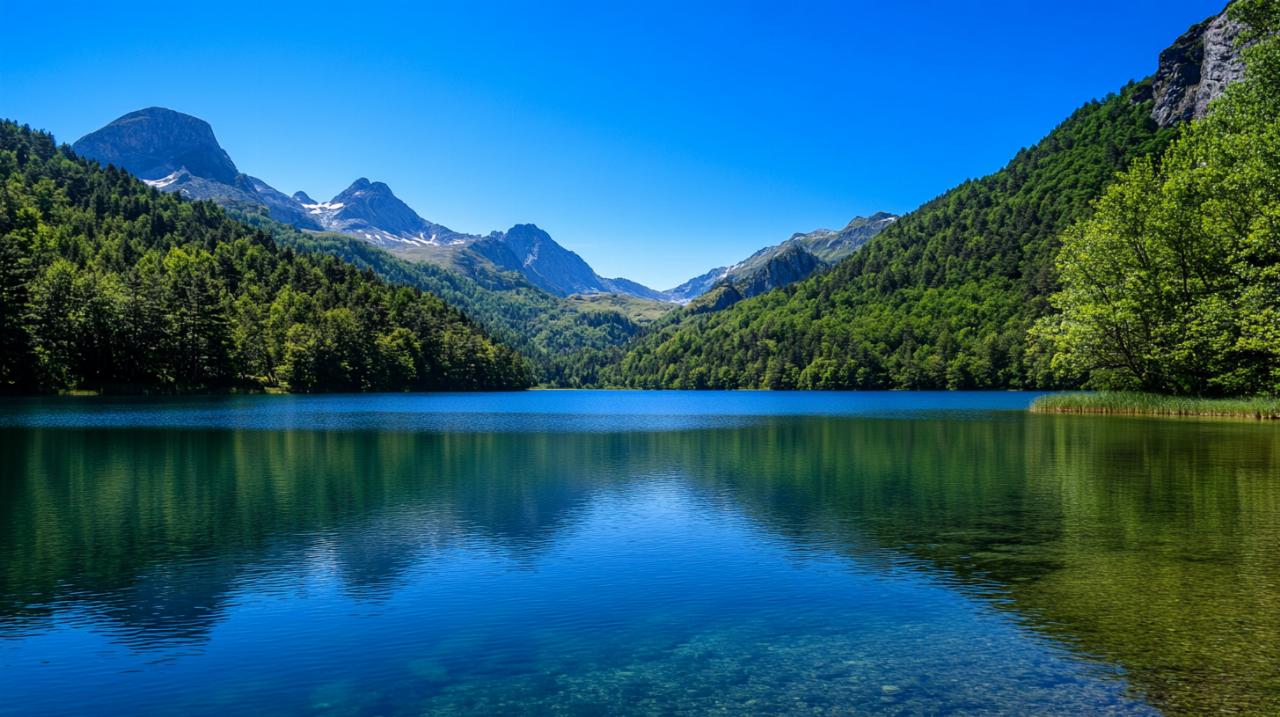
Tucked away in the heart of the Catalan Pyrenees, Lac des Bouillouses is far more than just a picturesque mountain lake. This remote expanse of water, surrounded by dramatic peaks and unspoilt wilderness, has become a magnet for stargazers seeking some of the finest celestial views in Europe. At these precise coordinates in the Pyrenees Orientales, the combination of altitude, isolation, and minimal light interference creates a natural observatory where the night sky reveals its full splendour. Whether you are an experienced astronomer or simply someone who fancies gazing up at the cosmos, this location offers an unparalleled experience that connects you with the universe in a profoundly moving way.
Lac des Bouillouses: A Natural Theatre for Celestial Wonders
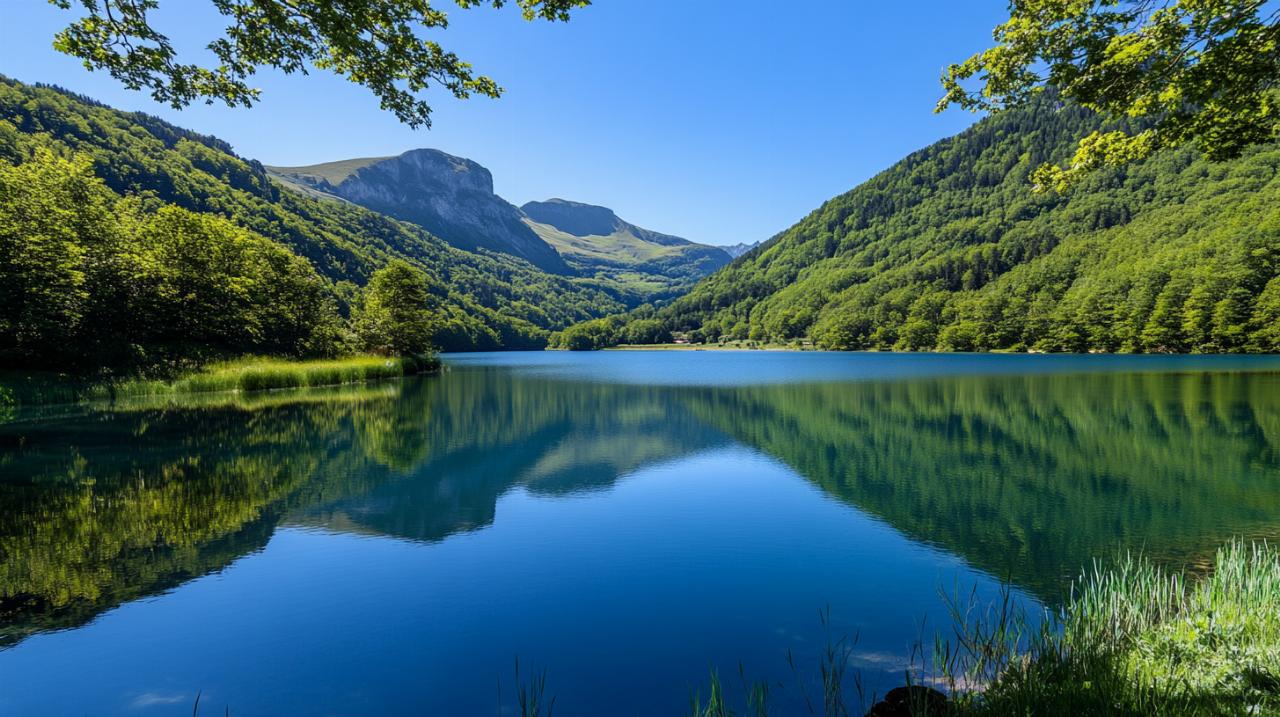
The magic of Lac des Bouillouses begins with its extraordinary setting. Perched high in the regional natural park near Mont-Louis and La Cabanasse, this lake is enveloped by a landscape that seems almost otherworldly. The surrounding mountains rise steeply, creating a protective basin that shields the area from the encroachment of modern civilisation. During the day, visitors are treated to breathtaking vistas of rugged terrain, alpine meadows, and crystal-clear waters that mirror the sky. As dusk falls, however, the true character of this place emerges. The transition from daylight to darkness here is nothing short of theatrical, as the first stars begin to prick through the deepening blue and the Milky Way gradually unfurls across the heavens.
Remote location and minimal light pollution: the astronomer's dream
One of the defining features of Lac des Bouillouses is its remoteness. Situated well away from major towns and cities, the lake benefits from an almost total absence of artificial light. This is no small matter when it comes to stargazing. Light pollution, which has become a growing concern across much of Europe, creates luminous halos that obscure the stars and diminish the quality of the night sky. In areas where only a small fraction of the landscape suffers from such interference, the difference is immediately apparent. The International Dark Sky Association has long championed the protection of nocturnal environments, recognising that preserving the night sky is essential not only for astronomy but also for nocturnal biodiversity, public health, and energy consumption. In the Hautes-Pyrénées and surrounding regions, initiatives such as the International Starry Sky Reserve have demonstrated the profound impact of responsible lighting. The Pic du Midi and Gavarnie Valleys, which form part of this reserve, have set a benchmark for night sky preservation. With only 20 star reserves worldwide and just four in France, the recognition underscores the rarity and value of truly dark skies. The Pic du Midi itself, often referred to as the Ship of the Stars, was the first site in France to receive this prestigious label back in 2013, covering an impressive area that includes 247 municipalities and 65 per cent of the Hautes-Pyrénées. The reserve aims to promote responsible lighting, encourage sky quality improvements, support research on nocturnal biodiversity, raise public awareness, and champion the importance of star reserves on a national scale. At Lac des Bouillouses, you are at the very edge of this protected zone, where the commitment to preserving darkness allows the stars to shine with an intensity that is simply breathtaking.
High altitude advantages: clearer skies above the catalan pyrenees
Altitude plays a crucial role in the quality of stargazing, and Lac des Bouillouses does not disappoint. Nestled at a considerable elevation in the Catalan Pyrenees, the lake sits above much of the atmospheric interference that can blur or dull celestial observations. The thinner air at higher altitudes means fewer particles to scatter light, resulting in sharper, more vivid views of stars, planets, and deep-sky objects. This natural advantage is compounded by the region's favourable climate, which often delivers clear skies, particularly during the warmer months. The combination of high altitude and minimal light pollution creates conditions that rival some of the best-known dark sky sites around the world. For those familiar with the Pic du Midi, which reaches an altitude of around 2,877 metres and offers a panoramic view of the Pyrenees, the principles are much the same. At such heights, the atmosphere is less dense, and the sky takes on a depth and clarity that is impossible to achieve at lower elevations. The surrounding peaks of the Catalan Pyrenees provide a natural amphitheatre, sheltering the lake from distant sources of light and ensuring that the horizon remains as dark as the zenith. This is a place where the universe feels close, where the constellations are not just points of light but living tapestries that tell the stories of ancient cultures and modern science alike.
Prime stargazing conditions: what makes these coordinates exceptional
The specific coordinates of Lac des Bouillouses place it within a unique geographic and environmental context. This is not simply a matter of numbers on a map; it is a location where nature, topography, and human stewardship converge to create ideal conditions for observing the night sky. The regional natural park that encompasses the lake is a testament to the value of protected natural areas, where conservation efforts ensure that both the landscape and its nocturnal character are preserved for future generations. The area is part of a broader movement across southwestern France to safeguard the night sky from the relentless march of urbanisation and excessive lighting. In the Béarn-Pyrénées region, for instance, only 14 per cent of the area is affected by light pollution, making it an exceptional destination for stargazers. The commitment to responsible lighting and sky quality is evident in the way communities have embraced the principles of the International Starry Sky Reserve, balancing the needs of tourism and public safety with the imperative to protect the natural environment.
Year-Round Viewing Opportunities in the Regional Natural Park
One of the most appealing aspects of Lac des Bouillouses is the opportunity it offers for stargazing throughout the year. While the summer months, particularly between June and September, are often cited as the best time for clear skies, the lake and its surroundings can be enjoyed in every season. In winter, the surrounding ski resorts, including Grand Tourmalet, Luz Ardiden, Hautacam, Cauterets, and Gavarnie-Gèdre, transform the region into a snowy playground. The Grand Tourmalet, for example, offers 100 kilometres of slopes across an altitude range of 1,400 to 2,500 metres, with a mix of green, blue, red, and black runs, as well as snowshoe trails and ski touring courses. Luz Ardiden, with its 60 kilometres of slopes and a network of snowshoe trails, provides a similar blend of adventure and accessibility. Hautacam and Cauterets each offer their own unique terrain, with Nordic ski trails, ski touring routes, and dedicated snowshoe paths that allow visitors to explore the landscape at a slower pace. The Val d'Azun Nordic area is particularly noteworthy, with 90 kilometres of Nordic ski trails and 65 kilometres of snowshoe trails winding through forests and meadows between 1,000 and 1,350 metres. Even in the depths of winter, when snow blankets the peaks and the air is crisp and still, the night sky can be astonishingly clear, offering views of constellations and celestial events that are every bit as spectacular as those enjoyed in summer. The absence of foliage and the reflective quality of snow can actually enhance the experience, creating a luminous, almost magical atmosphere that is unique to the colder months.
The Perfect Blend of Accessibility and Wilderness Near Mont-Louis
Despite its remote character, Lac des Bouillouses is surprisingly accessible, striking a perfect balance between wilderness and convenience. The lake is situated a short distance from Mont-Louis, a historic fortified town that serves as a gateway to the wider region. From here, well-maintained roads and trails lead into the heart of the natural park, making it possible to reach the lake by car or on foot, depending on your preference and level of fitness. This accessibility is crucial for stargazers, as it allows you to arrive at the site with all the necessary equipment without the need for an arduous expedition. At the same time, the lake retains its sense of isolation and tranquillity, ensuring that your experience is not marred by crowds or disturbances. The regional natural park is crisscrossed with trails that cater to all abilities, from gentle rambles around the lake's edge to more challenging hikes up the surrounding peaks. These paths not only provide access to prime viewing spots but also allow you to explore the rich and diverse ecosystem that thrives in this alpine environment. Keep your eyes peeled during the day, and you may spot some of the local fauna, including marmots, chamois, and a variety of bird species. The flora is equally impressive, with wildflowers carpeting the meadows in spring and summer. As night falls, the trails become pathways to discovery, leading you to vantage points where the sky opens up in all its glory. The proximity to places like Odeillo, Romeu, and La Cabanasse adds to the appeal, offering opportunities to immerse yourself in the local culture and history before or after your stargazing session.
Planning Your Night Sky Adventure at Lac des Bouillouses
A successful stargazing trip to Lac des Bouillouses requires a bit of planning, but the effort is well worth it. The first step is to choose the right time of year and the right phase of the moon. While the summer months offer the most reliably clear skies, the period around the new moon is ideal for maximising the visibility of fainter stars and deep-sky objects. Astronomical events such as the Night of the Stars, which typically takes place in early August, provide an excellent opportunity to combine your visit with organised activities and expert guidance. In the Béarn-Pyrénées region, for example, the Gallo-Roman Museum of Claracq hosts astronomy evenings around the 14th of August, offering a chance to learn more about the night sky in a convivial setting. These events are part of a broader effort to promote the region's dark sky heritage and to encourage a deeper appreciation of the cosmos.
Best Viewing Spots Around the Lake and Surrounding Peaks
The lake itself offers numerous vantage points for stargazing, each with its own unique character. The shores of Lac des Bouillouses provide a relatively level and accessible base from which to set up your equipment and enjoy the view. The reflective surface of the water can add an extra dimension to your experience, with the stars mirrored in the still depths below. For those willing to venture further, the surrounding peaks offer elevated positions that provide an even more expansive view of the night sky. Trails leading up from the lake take you to higher altitudes where the air is thinner and the stars seem even closer. These spots can be more exposed, so it is important to dress warmly and be prepared for changing weather conditions. In the wider region, locations such as the Col d'Aubisque, which sits at 1,709 metres, and Lake Bious-Artigues are also renowned for their stargazing potential. The heights of Monein, though less well known, offer similarly impressive views. Each of these sites has its own advantages, and exploring them can become an adventure in itself. Whether you prefer the intimate setting of the lakeshore or the sweeping panoramas from a mountain ridge, Lac des Bouillouses and its surroundings provide a wealth of options.
Essential Kit and Safety Tips for Night-time Exploration
Stargazing in a remote mountain location requires careful preparation. The essential kit includes warm clothing, as temperatures can drop significantly after dark, even in summer. Layering is key, with a windproof and waterproof outer layer to protect against sudden changes in weather. A head torch with a red light setting is invaluable, as it allows you to navigate in the dark without ruining your night vision. Binoculars or a telescope will enhance your experience, allowing you to explore the detail of star clusters, nebulae, and planets. A star map or a smartphone app can help you identify constellations and celestial objects, though be sure to dim your screen to minimise light pollution. A comfortable reclining chair or a blanket to lie on will make prolonged observation much more enjoyable. Safety is paramount, particularly if you are venturing away from established trails. Always let someone know your plans and expected return time. Carry a fully charged mobile phone, though be aware that signal coverage may be limited. Take plenty of water and some high-energy snacks, and be prepared for the possibility of an overnight stay if conditions change unexpectedly. If you are planning a longer trip, consider renting a campervan or booking a guided bivouac in the Ossau Valley, which offers a safe and supported way to experience the night sky. Campsites such as Gaves, Le Paradis Perdu, or the unique Cabins of Suspended Time at the Château de Laàs provide comfortable bases from which to explore the region. Above all, respect the natural environment and adhere to the principles of responsible lighting and minimal impact. The goal is to leave the site as you found it, ensuring that future generations can enjoy the same unspoilt beauty.
Lac des Bouillouses is a place where the majesty of the Pyrenees meets the infinite expanse of the cosmos. It is a destination that rewards curiosity and patience, offering a stargazing experience that is both humbling and exhilarating. As you stand beneath the vast canopy of stars, far from the distractions of modern life, you are reminded of the enduring power of the natural world and the timeless wonder of the night sky.