
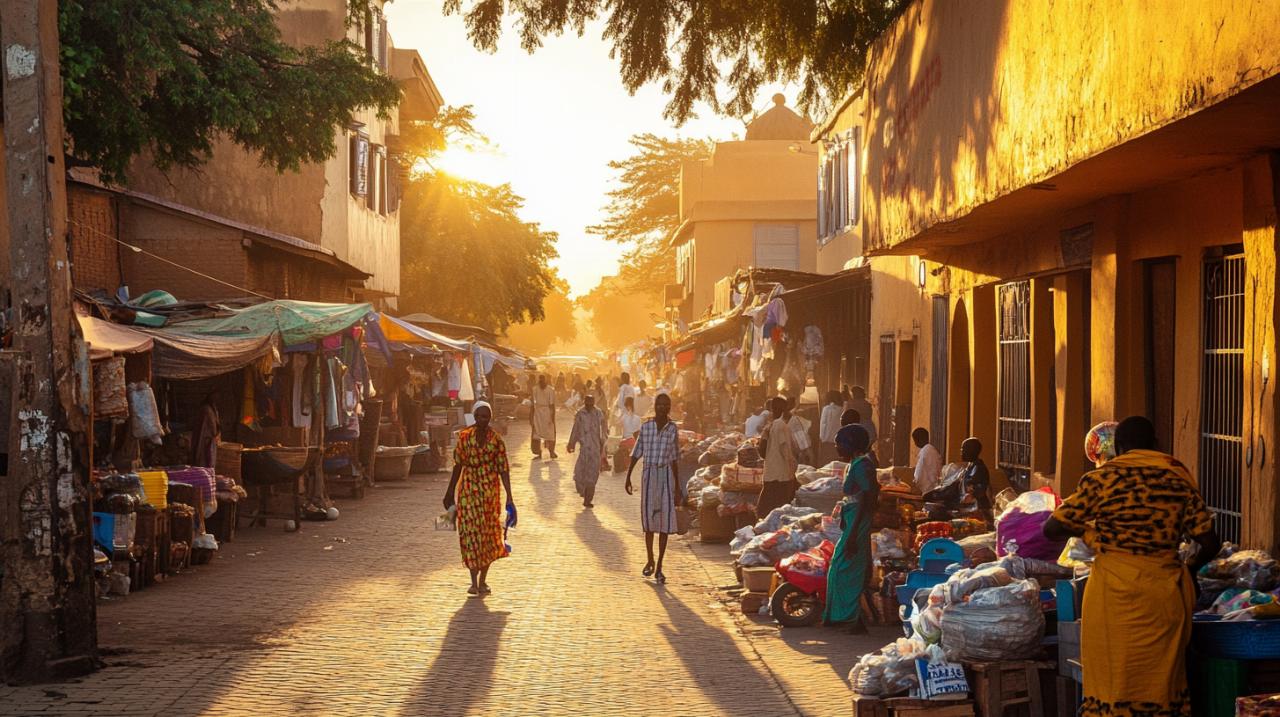
The transformation of a territory once known as French Sudan into the modern state of Mali represents a profound journey through colonialism, independence, and ongoing struggles for stability. This West African nation, with its capital Bamako, carries with it the weight of an imperial past and the complexities of forging a contemporary identity amidst significant challenges. Understanding Mali today requires examining the deep roots of its colonial experience and how those historical forces continue to shape its political structures, cultural identity, and regional relationships.
The colonial legacy: from french sudan to independence
The linguistic footprint of french colonial rule
The era of French colonialism left an indelible mark on the territories that would become Mali, not least in the realm of language and administration. Despite the rich tapestry of indigenous languages spoken across the region, French remains the official language of Mali. This linguistic choice reflects the enduring influence of the colonial period, when the French sought to bind their territories together through common institutions and a shared administrative language. The decision to retain French after independence in 1960 was pragmatic, facilitating continuity in governance and communication with international partners. However, it also symbolises the challenges of decolonisation, where newly independent states often inherited systems and structures designed to serve colonial interests rather than the needs of local populations.
The Fourth Republic of France, established after the Second World War, created the French Union in an attempt to maintain influence over its colonies while appearing to offer them greater autonomy. This arrangement allowed France to keep control over critical areas such as defence, diplomacy, and currency, ensuring that even as territories moved towards self-governance, they remained tethered to Paris. In 1958, Charles de Gaulle restructured this relationship by forming the French Community, which granted limited self-rule but preserved French dominance in key policy areas. The Organisation commune des régions sahariennes was established in 1957 specifically to maintain French control over the Sahara, driven by the desire to exploit mineral resources and conduct nuclear testing. These arrangements reveal how decolonisation was often a carefully managed process designed to protect French strategic interests rather than a genuine handover of sovereignty.
Political Structures Inherited from the Colonial Era
When French Sudan gained independence and adopted the name Mali, it did so with political institutions that bore a striking resemblance to those of the former colonial power. The constitution adopted in 1960 was modelled closely on France's 1958 constitution, reflecting both the practical constraints of state-building and the ideological influence of French political thought. The Union Soudanaise – Rassemblement Démocratique Africain, led by Modibo Keita, emerged as the dominant political force, guiding the country through its early years of independence. Keita became Mali's first president in September 1960, and he quickly moved to assert the nation's sovereignty by removing French military bases and establishing diplomatic ties with the Soviet Union and China, signalling a break from exclusive dependence on France.
Despite these efforts to chart an independent course, the new Malian state retained many colonial-era structures. The administrative divisions, legal frameworks, and even the currency initially remained linked to French systems. Mali created its own currency, the Malian franc, in an attempt to assert economic independence, but the government was forced to devalue it in 1963 and again in 1967, leading to economic instability and crackdowns on perceived opponents. The legacy of French colonialism also disrupted traditional power structures. French policies had favoured certain ethnic groups over others, and post-colonial Mali sought to dismantle tribal administration in favour of a centralised state. This approach, influenced by Marxist ideology, aimed to liberate vassal castes and reduce the power of traditional nobility, including groups such as the Tuareg, Fulani, and Songhai. However, the suppression of these structures often led to resentment and conflict, as seen in the first Tuareg revolt of 1963 to 1964, which was violently suppressed by Malian troops.
Contemporary Governance and Security Challenges in the Sahel
The military junta and transitional government dynamics
The political landscape of Mali has been marked by instability in recent years, with the military playing an increasingly prominent role. The ousting of Ibrahim Boubacar Keita in 2020 by a junta led by figures such as Assimi Goita represented a significant turning point in the nation's history. This coup d'état drew condemnation from international bodies, including the Economic Community of West African States, which imposed sanctions in an effort to restore civilian rule and democratic governance. The current transitional government operates under considerable pressure, both from within Mali and from external actors demanding a swift return to constitutional order.
Navigating this precarious political environment is no simple task. The military leadership must balance the demands of various domestic constituencies, including civil society groups calling for reform, traditional elites seeking to preserve their influence, and a population weary of conflict and insecurity. At the same time, the transitional government faces the challenge of rebuilding trust with international partners who view the coup as a setback for democracy in West Africa. The democratisation process that began in 1991 had raised hopes for greater political pluralism and accountability, but the events of 2020 have cast doubt on the durability of these gains. Efforts to promote reconciliation and good governance are crucial if Mali is to move beyond the cycle of military intervention and political instability that has characterised much of its post-independence history.
Armed groups and regional instability: the jihadist threat
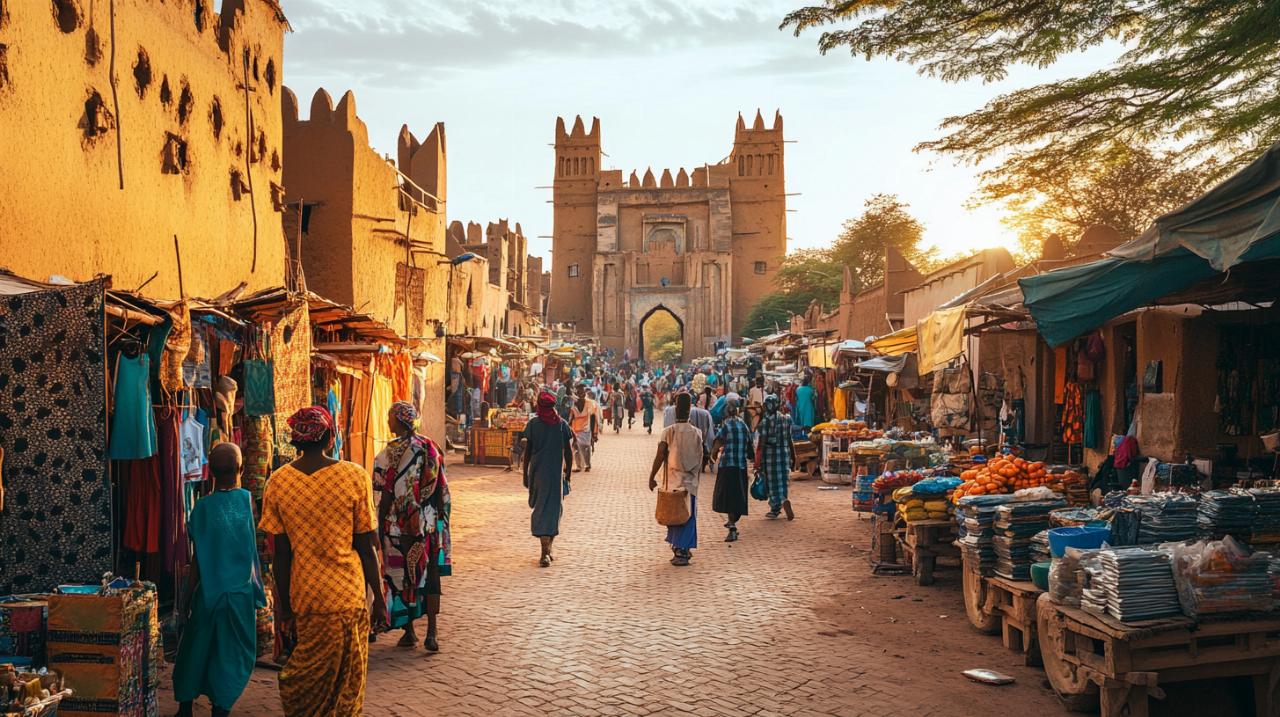
Security challenges loom large over Mali, particularly in the northern and central regions where armed groups, including jihadists, have established a significant presence. The surge in violence has had a devastating impact on local communities, displacing populations and disrupting livelihoods. The Malian army is struggling to contain the violence, which has not only threatened the stability of the state but has also spilled over into neighbouring countries, contributing to broader instability across the Sahel region. The rise of Islamist fundamentalism, particularly after 2011, has further complicated the situation, as extremist groups exploit local grievances and weak governance to recruit fighters and expand their influence.
This insecurity is compounded by the effects of desertification and climate change, which are making vast areas of Mali's territory increasingly inhospitable. The encroachment of the desert disrupts traditional farming and herding practices, exacerbating poverty and inequality. These socio-economic strains create fertile ground for armed groups, who offer material support and a sense of purpose to disillusioned young men. The contrast between the religious tolerance that characterised the historical Mali Empire and the intolerance of modern extremists is stark. The ancient empire, which reached its peak under rulers such as Mansa Musa in the early 14th century, was known for its syncretic practices and respect for different faiths. Today's fanatics, by contrast, destroy Sufi shrines and disrupt the social cohesion that once defined the region, posing a profound challenge to Mali's cultural heritage and identity.
International relations and mali's path forward
Shifting Alliances: From French Forces to the Wagner Group
France has historically played a significant role in Mali, both politically and militarily. French forces intervened in 2013 to push back jihadist advances that threatened to overrun Bamako, and their presence was initially welcomed by many Malians as a necessary measure to restore order. However, over time, the French military presence has become increasingly controversial, with critics arguing that it represents a continuation of colonial-era interference and has failed to deliver lasting security. The Malian government's decision to seek assistance from the Wagner group, a private military company with ties to Russia, has further complicated relations with France and other Western partners.
This shift in alliances has drawn international scrutiny and raised concerns about human rights and the potential for further destabilisation. The Wagner group's involvement in Mali has been met with suspicion by international organisations and partner nations, who fear that its presence could exacerbate violence and undermine efforts to promote accountability and good governance. The move also reflects a broader trend in the Sahel, where states are increasingly seeking alternative security partners in response to perceived failures by Western powers. For Mali, the challenge is to navigate these complex international relationships while maintaining sovereignty and addressing the legitimate security concerns of its population. The legacy of French colonialism continues to cast a long shadow, shaping not only the structures of the state but also the strategic choices available to Malian leaders.
Building sustainable development amidst socio-economic strain
Beyond the immediate challenges of security and governance, Mali faces deep-seated socio-economic problems that require long-term solutions. Poverty, inequality, and limited access to education and healthcare contribute to widespread discontent and undermine efforts to build a stable and prosperous society. The social fabric of the nation is under strain, as the displacement of populations and the disruption of traditional livelihoods erode community cohesion. Sustainable development is essential if Mali is to break the cycle of conflict and instability that has plagued it for decades.
Efforts to promote economic growth must be accompanied by initiatives to improve governance, strengthen institutions, and ensure that the benefits of development reach all segments of society. This requires not only domestic commitment but also the support of international organisations and partner nations willing to invest in Mali's future. The historical legacy of the Mali Empire, which controlled trans-Saharan trade routes and became a centre of learning and commerce, offers a reminder of the region's potential. Cities such as Timbuktu, Djenné, and Gao were once vibrant hubs of culture and scholarship, attracting scholars and traders from across the Islamic world. The Kouroukan Fouga, or Manden Charter, proclaimed around 1235, promoted social harmony and justice, values that remain relevant today. Preserving Mali's cultural heritage and fostering a sense of unity and shared purpose are crucial steps towards building a resilient and prosperous future. The role of figures who champion tolerance, preserve intangible heritage, and foster unity is vital in countering extremism and promoting a vision of Mali that honours its past while embracing the challenges of the present.