
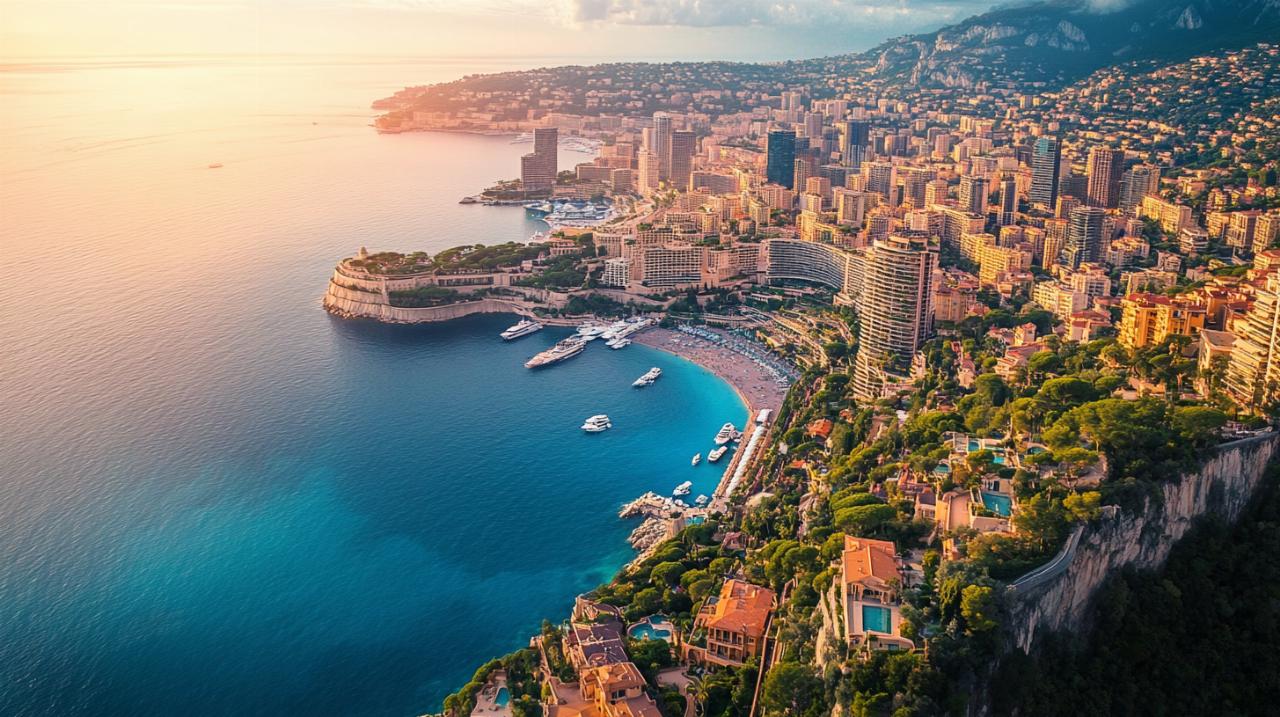
Nestled along the sparkling Mediterranean coastline, the Principality of Monaco presents a fascinating case study in international postal administration. Despite its status as an independent sovereign nation ruled by Prince Albert II, this glamorous enclave of the Côte d'Azur operates within the French postal framework, a practical arrangement born from geographical proximity and historical ties. For anyone sending correspondence or parcels to the world-renowned districts of Monte Carlo or the modern harbour extension of Fontvieille, understanding the nuances of the 98000 postal code system proves essential for ensuring successful delivery to this unique microstate.
Understanding monaco's unique postal system integration with france
Monaco's Sovereignty and Its Special Relationship with France
Monaco stands as an independent monarchy, maintaining full sovereignty over its affairs whilst enjoying an exceptionally close relationship with its larger neighbour. This tiny principality, recognised as the smallest state in the world, governs itself under the leadership of Prince Albert II, preserving centuries of Grimaldi family rule. The nation's diminutive size, measuring barely two square kilometres, belies its outsized reputation as a haven for wealth and luxury. With a population density that ranks among the highest globally, Monaco has cultivated a distinctive identity that balances independence with pragmatic cooperation. The principality's economic model, characterised by the absence of income tax and inheritance tax, has attracted an international community of affluent residents, creating a demographic landscape where approximately eighty percent of inhabitants hold foreign nationalities and roughly half qualify as millionaires. This extraordinary concentration of wealth has transformed Monaco into a beacon for those seeking fiscal advantages combined with Mediterranean splendour.
Why monaco adopts french postal codes despite independence
The decision to integrate Monaco's postal infrastructure with the French system represents a pragmatic solution to geographical reality. Surrounded entirely by French territory, save for its Mediterranean coastline, the principality found it sensible to align its postal operations with those of France rather than establish a separate international postal system. This arrangement streamlines mail delivery whilst respecting Monaco's sovereignty, as the French postal service handles the logistics of transporting correspondence and parcels to and from the principality. The integration means that Monaco participates in France's efficient postal network, benefiting from established routes and sorting facilities in the neighbouring Alpes-Maritimes department. Residents and businesses in Monaco enjoy reliable postal services that function seamlessly with the broader European network, with mail from France typically reaching Monegasque addresses within one to two business days. This cooperative arrangement exemplifies how small nations can maintain independence whilst leveraging neighbouring infrastructure for practical administrative functions.
The 98000 postal code: a universal address across monaco's districts
How Monte Carlo, Fontvieille, and Other Areas Share the Same Postal Code
Unlike most countries where different districts receive distinct postal codes, the entirety of Monaco operates under a single designation: 98000. This unified approach reflects the principality's compact geography, where the famous casino district of Monte Carlo, the reclaimed land development of Fontvieille, the clifftop botanical gardens of Jardin Exotique, and all other quarters share identical postal coding. The 98000 designation encompasses every address within Monaco's borders, from the prestigious Avenue Albert II to the harbour-side Quai Jean-Charles Rey in Fontvieille. Streets such as Avenue de Fontvieille, Avenue des Castelans, Avenue des Guelfes, Avenue des Ligures, Avenue des Papalins, and Avenue Prince Héréditaire Albert all fall under this singular postal identifier. The system extends to encompass Quai des Sanbarbani and Rue de l'Industrie, with the total number of addresses under the 98000 code reaching approximately one hundred and twenty locations. This streamlined approach simplifies addressing whilst acknowledging that Monaco's small size renders more granular postal zoning unnecessary. The uniformity proves particularly convenient for shipping services and international parcels, as senders need only remember a single code regardless of the specific Monegasque destination.
Distinguishing Monaco from Neighbouring French Towns Like Beausoleil and Roquebrune-Cap-Martin
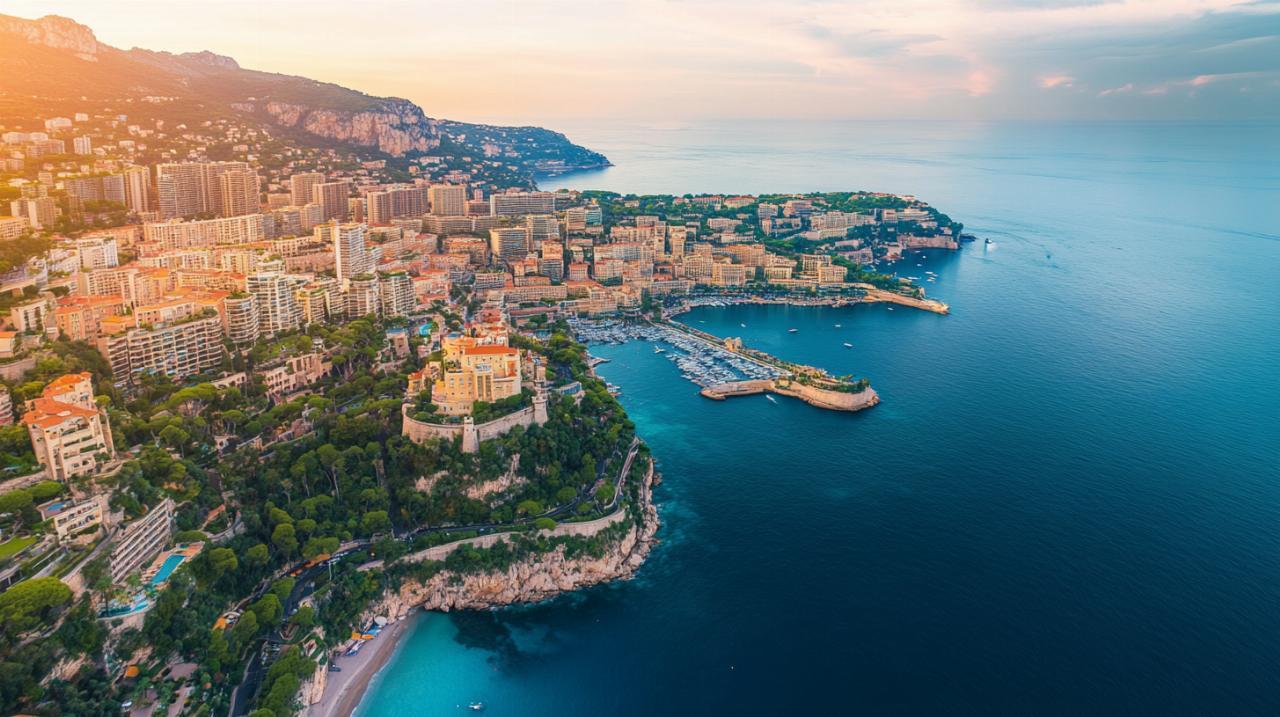
Whilst Monaco itself uses the 98000 postal code, the surrounding French communities maintain their own distinct codes within the standard French system. The town of Beausoleil, which sits directly adjacent to Monaco and shares a border so seamless that pedestrians can cross without noticing, operates under a different postal designation as part of the Alpes-Maritimes department. Similarly, the picturesque communes of Roquebrune-Cap-Martin and Turbie, though geographically close to the principality, possess their own French postal codes that differentiate them from Monaco proper. This distinction carries practical importance for postal delivery, as confusion between Monaco and neighbouring French municipalities can lead to misdirected mail. Properly addressing correspondence requires clarity about whether the destination lies within the independent principality or in the surrounding French territory. For international senders, particularly those using shipping services such as Europacco.com, which facilitates parcel delivery across Italy and worldwide with tracking capabilities, understanding these boundaries ensures that customs declarations and international parcel protocols are correctly applied when appropriate. Monaco's status as a separate entity means that despite postal integration, it remains outside certain administrative frameworks that govern French communes.
Practical implications of monaco's integrated postal infrastructure
Addressing Post Correctly to the Principality of Monaco
When preparing mail or parcels for Monaco, proper formatting ensures swift and accurate delivery. The standard address format requires listing the specific street name and number, followed by the postal code 98000 and the country name Monaco. Unlike larger nations where regional identifiers prove necessary, Monaco's compact size renders additional geographical descriptors superfluous. Whether sending documents to a Monte Carlo business address or a residential property in Fontvieille, the 98000 code remains constant. For international parcels, particularly those originating outside the European Union, customs declarations may be required despite Monaco's postal integration with France. Shipping services must account for Monaco's unique status when determining whether additional documentation becomes necessary. The principality's demographic composition, which includes substantial French, Italian, British, Belgian, Swiss, and German communities, means that postal services regularly handle correspondence in multiple languages and from diverse international origins. The efficiency of the system has contributed to Monaco's appeal as a location for international business operations and affluent residency, with the postal infrastructure supporting the needs of a cosmopolitan population that enjoys one of the world's highest life expectancy rates, with residents typically living to approximately eighty-five years of age.
The administrative balance between monegasque governance and french postal services
Monaco's postal arrangement exemplifies a broader pattern of cooperation between the principality and France, where sovereignty remains firmly Monegasque whilst practical services benefit from integration. The principality maintains complete control over its internal affairs, including the granting of citizenship, a process that remains highly selective under the authority of Prince Albert II. The nation carefully distinguishes between native Monegasques, who comprise roughly a quarter of the population and enjoy entitlement to government apartments that can be inherited, and children of the country, who lack full citizenship but receive certain residential privileges. Foreign residents, despite making up the majority of Monaco's population, remain subject to the principality's stringent naturalisation requirements, with over five hundred applications reviewed annually but only a small fraction approved. The 2007 approval of sixty-eight citizenship applications contrasted sharply with the mere seven granted in 2010, illustrating the selective nature of this process. This careful management of citizenship stands in parallel to the postal system's practical openness, where the French-administered service operates efficiently regardless of recipients' nationality or residential status. The demographic profile continues to evolve, with Monaco recording notably late average ages for women having their first child at approximately thirty-two years old, reflecting the sophisticated, career-oriented nature of the resident population. This administrative balance allows Monaco to preserve its distinct identity and selective membership whilst participating seamlessly in regional infrastructure networks that enhance quality of life and economic connectivity.