
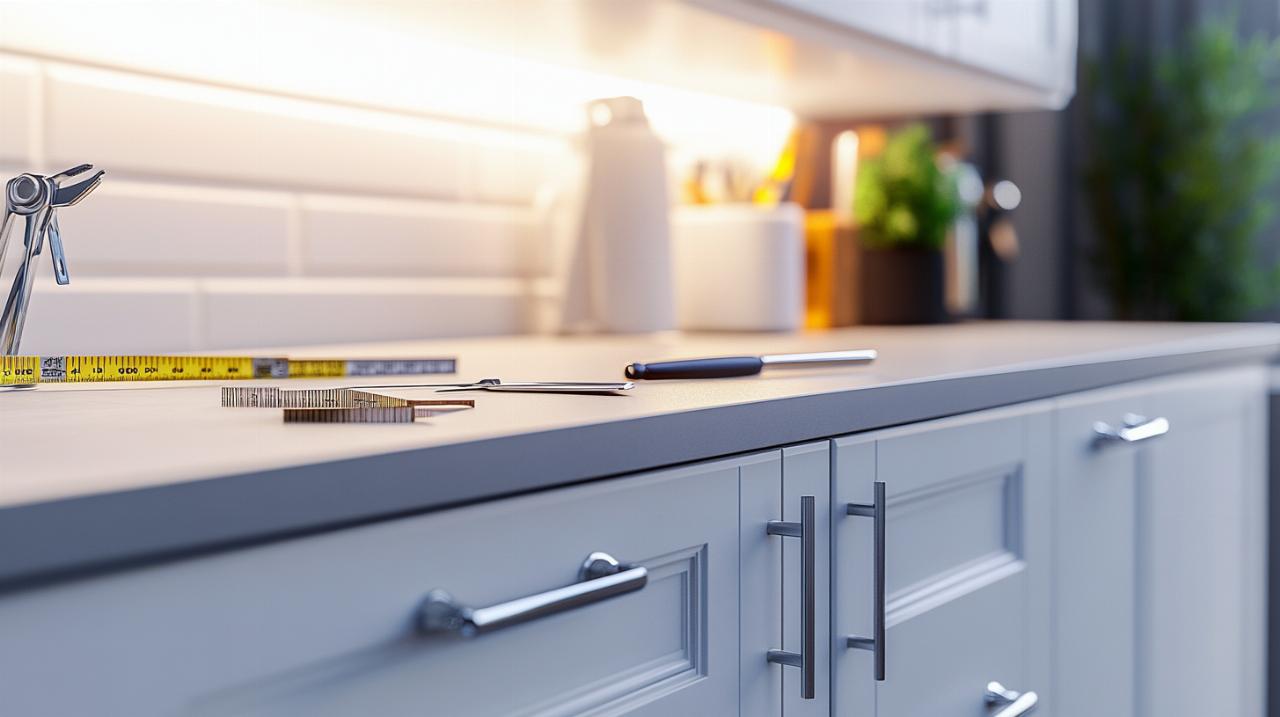
Transforming your kitchen doesn't always require a complete overhaul or a substantial financial outlay. Replacing your cabinet doors offers a practical and cost-effective solution to breathe new life into the heart of your home. Whether you're looking to update a tired aesthetic, enhance a newly purchased property, or simply fancy a change, swapping out your existing doors can deliver a remarkable difference without the upheaval of a full renovation. This approach allows you to retain the functionality of your current layout while refreshing the overall appearance, making it an ideal choice for homeowners seeking a swift and impactful transformation.
Planning your kitchen cabinet door replacement
Before embarking on your cabinet door replacement project, careful planning is essential to ensure a seamless outcome. The first step involves a thorough assessment of your existing kitchen setup. Examine the condition of your cabinet carcasses to confirm they are structurally sound and free from damage. If the framework is in good nick, you're well-positioned to proceed with a straightforward door swap. Additionally, consider whether the current layout meets your practical needs. If the arrangement functions well and only the visual aspect requires updating, replacing the doors is the perfect remedy. This preparatory phase will help you avoid unforeseen complications and set the stage for a successful makeover. For those who value expert advice and tailored solutions, it's worth taking the time to visit ciervomodular.es where comprehensive guidance can further inform your decisions.
Measuring your existing cabinet doors accurately
Accurate measurement is the cornerstone of a successful cabinet door replacement. Even minor discrepancies can lead to misaligned doors or gaps that compromise the finished appearance. Begin by measuring each door individually, as variations in size are not uncommon, particularly in older kitchens. Use millimetres as your unit of measurement to achieve the precision required for a professional fit. Focus on the back of each door, measuring the height and width. As a general rule, the new doors should be approximately three millimetres smaller than the cabinet opening to allow for proper clearance and alignment. When it comes to hinge holes, take note of the distance from the centre of each hole to the top, bottom, and side edges of the door. This information is crucial if you plan to reuse existing hinges or need to drill new ones in the correct positions. Typical replacement doors are around twenty-two to twenty-four millimetres thick, which is compatible with most standard hinge systems. Taking the time to measure accurately will save you from costly errors and ensure your new doors fit like a glove.
Choosing the Right Style and Finish for Your Kitchen
Selecting the appropriate style and finish for your new cabinet doors is where your personal taste and the overall design vision for your kitchen come into play. With an extensive array of options available, from sleek contemporary designs to traditional Shaker styles, you can tailor the look to suit your home's character. Consider the existing elements in your kitchen, such as worktops, splashbacks, and flooring, to ensure a harmonious aesthetic. Finishes range from painted options in virtually any colour, including bespoke colour matching services, to wood veneers and high-gloss laminates. If you're aiming for a cohesive transformation, think about replacing other visible components such as drawer fronts, end panels, and plinths. This approach creates a unified appearance and elevates the overall impact of the makeover. The wealth of style combinations, numbering in the hundreds, means you can achieve a truly personalised result that reflects your individual preferences and enhances your kitchen's appeal.
Sourcing and installing your new cabinet doors
Once you've settled on the design and gathered your measurements, the next phase involves sourcing the doors and managing the installation. This stage presents choices between ready-made and bespoke solutions, each offering distinct advantages depending on your budget, timeline, and specific requirements. Understanding the differences will help you make an informed decision that aligns with your project goals.
Ready-made versus bespoke cabinet doors: what's best for you?
Ready-made cabinet doors are a convenient and often more economical option, particularly if your existing cabinets conform to standard dimensions. Many suppliers offer a range of sizes compatible with popular kitchen systems, including those from well-known manufacturers. This route can expedite the process, allowing you to receive and install your doors relatively quickly. However, if your cabinets have non-standard dimensions or you desire a unique finish that isn't available off the shelf, bespoke doors are the superior choice. Custom-made options are manufactured to your exact specifications, ensuring a perfect fit regardless of size or layout. This is particularly beneficial for kitchens featuring frameless cabinet designs, which require precise tailoring. Bespoke doors also open up a broader palette of styles, colours, and finishes, enabling you to create a kitchen that truly stands out. While custom solutions may come at a slightly higher cost, the investment often pays dividends in terms of quality and personalisation. Manufacturers based in regions such as Norfolk produce high-quality bespoke doors, combining craftsmanship with modern production techniques to deliver exceptional results.
Fitting new doors and ensuring perfect alignment
Installing your new cabinet doors is typically a straightforward task that many homeowners undertake themselves with just a screwdriver and a little patience. Begin by removing the old doors, carefully noting the position of hinges and any hardware you plan to reuse. When fitting the new doors, align them with the hinge holes you measured earlier, making adjustments as needed to ensure smooth operation and even gaps between adjacent doors. It's essential to check that each door sits flush with the cabinet frame and opens and closes without obstruction. If you're not confident in your DIY skills or if the project involves complex installations, enlisting the help of a professional fitter is a wise decision. Expert fitters can complete the job efficiently, often within one to two days, and guarantee a polished finish that enhances the overall aesthetic. Many service providers offer professional fitting at competitive rates, with some even running promotional offers such as half-price fitting, making it an affordable option. A professional touch not only saves time but also ensures that alignment and function are optimised, leaving you with a kitchen that looks as though it has been entirely redesigned. For those seeking assurance of quality, companies with excellent ratings on platforms such as Trustpilot, scoring around four point three out of five, provide peace of mind that the work will be completed to a high standard. Whether you choose to tackle the installation yourself or bring in an expert, the end result will be a refreshed, stylish kitchen that feels brand new without the expense and disruption of a full refit.