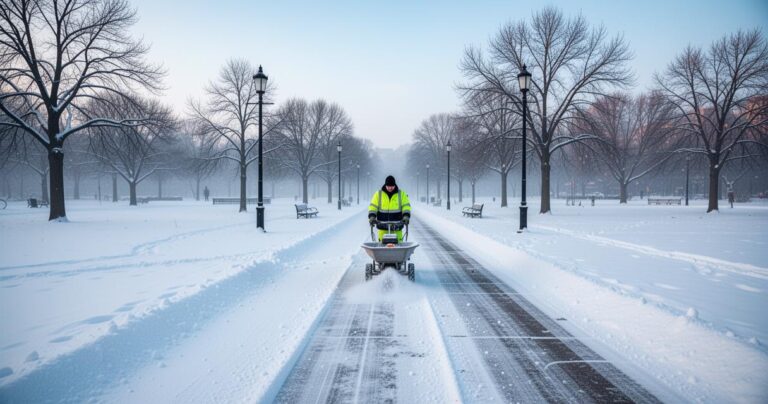
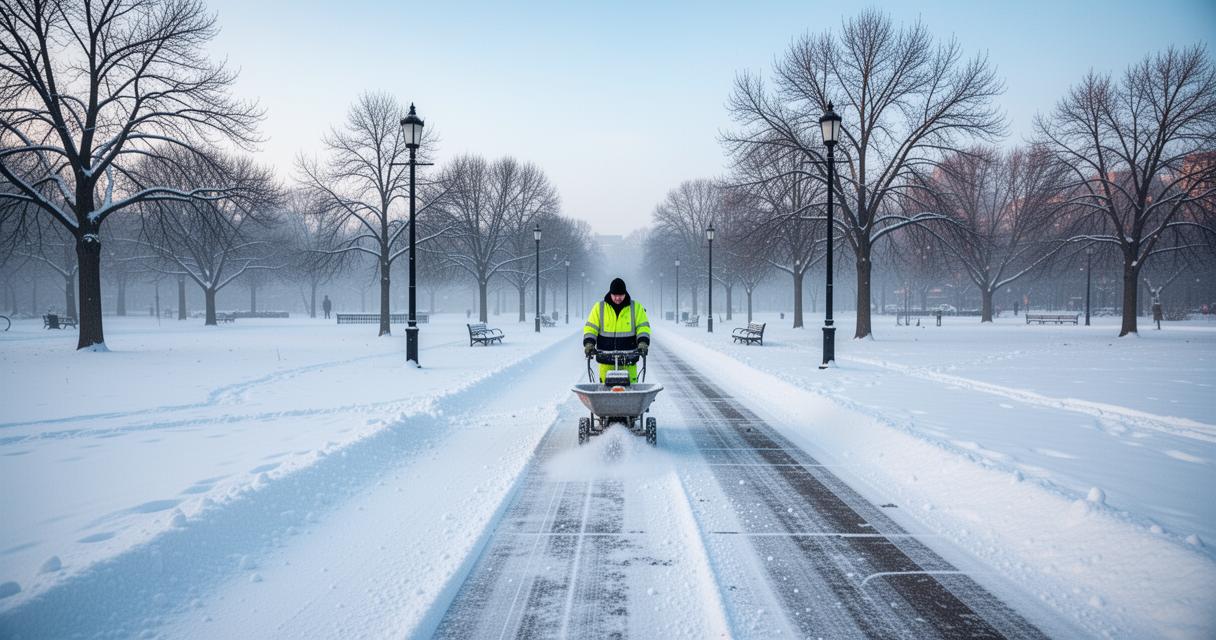
When winter arrives and temperatures plummet, the question of where to spread gritting salt first is not merely a logistical concern — it is a matter of public safety. Urban roads, with their dense networks and constant footfall, present a uniquely demanding set of challenges that often place them ahead of rural routes in any sensible winter maintenance policy. Understanding why cities must take precedence helps clarify how authorities make difficult decisions under pressure.
The essentials
- Urban roads are prioritized for winter salting because disruptions there affect significantly more commuters, emergency services, and delivery vehicles than in rural areas.
- High traffic density in cities means that even minor ice or snow neglect causes large-scale traffic congestion and safety hazards.
- Urban environments feature complex infrastructure like roundabouts and junctions that are more prone to dangerous black ice formation compared to open rural roads.
- Salt is used as the primary de-icing agent because it effectively lowers the freezing point of water and is the most cost-effective solution for large-scale city networks.
- Proactive gritting before a freeze is far more efficient than reactive treatment, preventing ice from bonding to the road surface.
- Timely execution of salting schedules is critical, as even short delays in metropolitan areas can turn manageable winter conditions into major emergencies.
Why do urban roads face greater winter safety challenges than rural areas?
How does traffic density affect road treatment priorities?
The sheer volume of vehicles navigating city streets each day means that any disruption to winter road safety is felt almost immediately and on a grand scale. In rural settings, a stretch of untreated road may inconvenience a handful of drivers; in an urban environment, the same neglect can trigger widespread traffic disruption, affecting thousands of commuters, emergency vehicles, and delivery lorries simultaneously. Effective road infrastructure management therefore demands that highway authorities prioritise those corridors where the impact of ice or snow is most acute. Salting schedules are drawn up with this logic firmly in mind, ensuring that the highest-traffic arteries receive attention before quieter country lanes.
What makes urban ice formation more dangerous for drivers?
City roads are not simply busier — they are structurally more complex. Junctions, pedestrian crossings, bus stops, and roundabouts all create conditions where vehicles must brake, accelerate, and manoeuvre repeatedly. When road surface temperatures drop sharply, these points become treacherous, with black ice forming faster than in open rural stretches where wind and drainage patterns differ. Snowfall accumulation in urban areas is compounded by the shadow of tall buildings and the rapid freezing that follows a brief thaw, making consistent treatment essential rather than occasional.
How does gritting salt keep city roads safe throughout winter?
What role does de-icing salt play in preventing urban accidents?
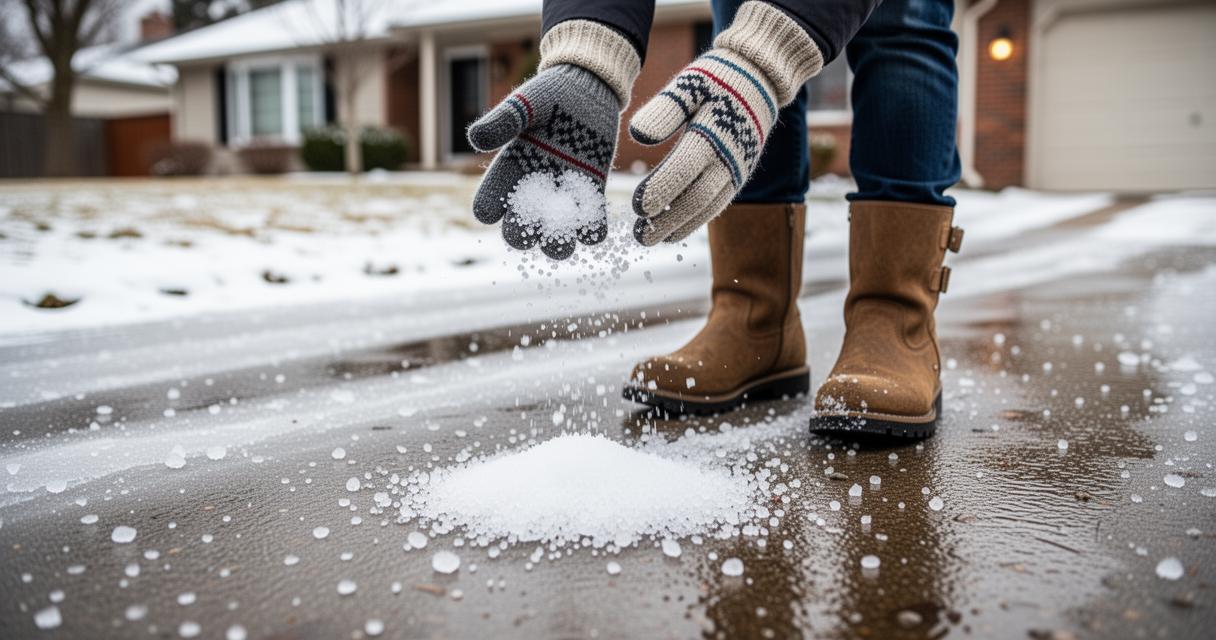
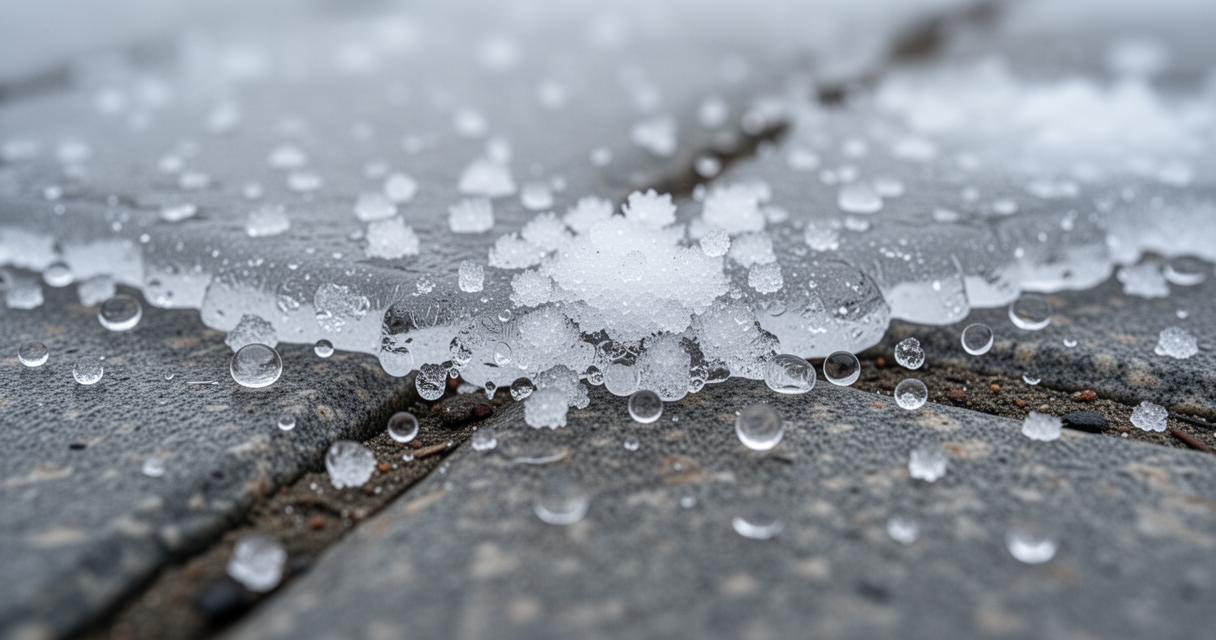
Salt remains the most widely used and cost-effective of all de-icing materials across Europe, and for good reason. When spread across a road surface ahead of a frost, it lowers the freezing point of water, preventing ice from bonding with the tarmac and giving tyres the grip they need. Winter road gritting carried out in advance of a freeze is far more effective than reactive treatment once ice has already formed. Salt is a practical option for treating urban road networks. The key lies in deploying the right quantity at the right moment — too little achieves nothing, whilst waste strains the winter service budget.
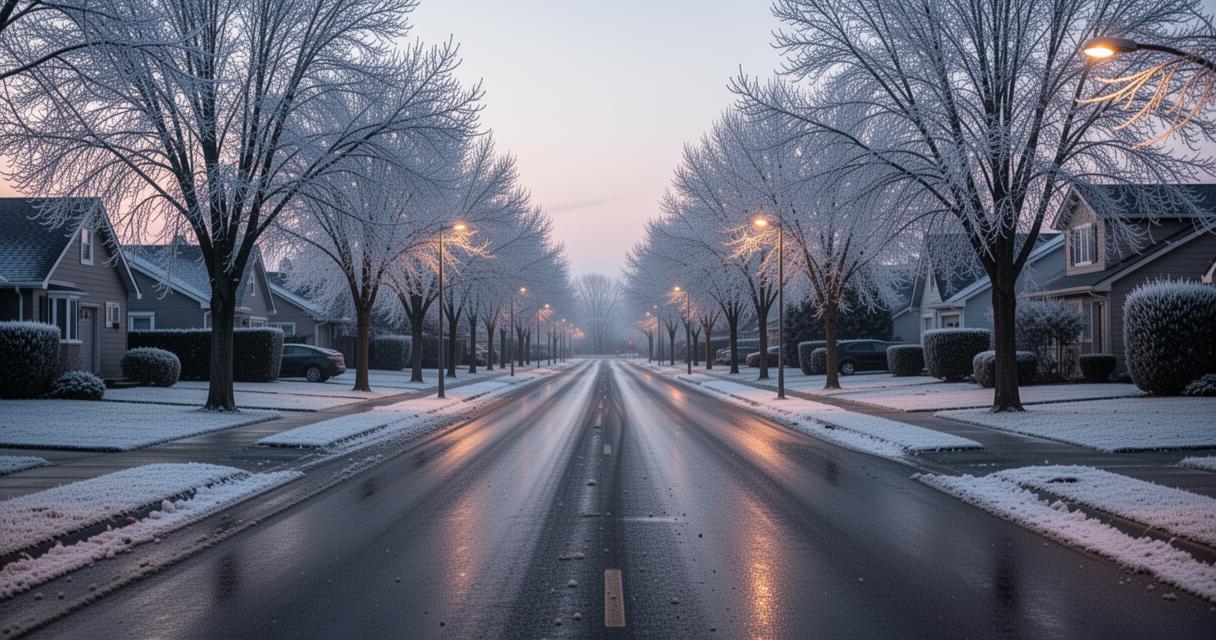
Why are timely gritting operations critical for metropolitan areas?
Speed is everything in road salting operations. Evidence from severe winters past shows that extreme cold can stretch resources dramatically: a prolonged freeze may see an enormous quantity of salt consumed in just a few days, representing a significant portion of an entire season’s supply. During periods of extreme weather response, authorities have mobilised hundreds of staff and scores of gritters to keep arterial routes open. Gritter deployment must follow a carefully planned salting schedule, with crews working through the night to treat roads before the morning rush. Delays of even a few hours can allow ice to take hold, turning manageable conditions into a genuine emergency. Urban authorities that invest in robust winter road maintenance frameworks are far better placed to protect their residents when the temperature drops sharply and without warning.